Insights & Trends
How to Get Cited in AI Answers? Part 2: Using Earned Media and Expert Sources to Win in GEO
In the world of AI-driven answer-based Internet searches, one thing is clear: AI platforms have become increasingly selective about the sources they rely on when generating answers. AI tools don’t just repeat what brands say about themselves. They look for trusted third-party sources to validate information. That’s why journalism, trade publications, expert commentary, and earned media play such an important role in Generative Engine Optimization (GEO).
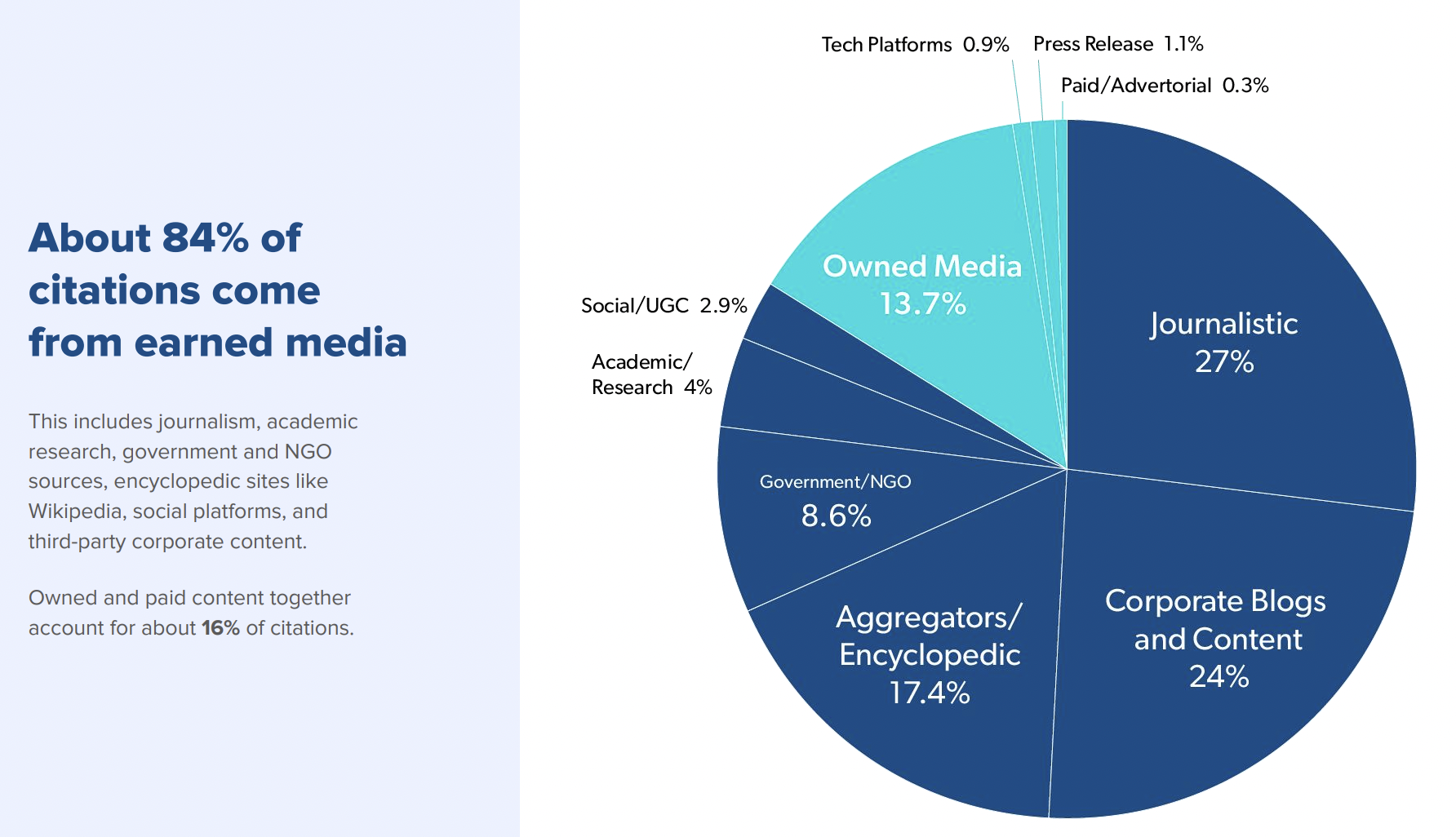
Recent statistics from Muck Rack explain the power and importance of earned third-party media coverage in the world of GEO.
- 99% of all links cited in AI answers are from non-paid sources
- 84% of AI citations come from earned media and third-party sources
- 27% of all AI citations come from journalism sources
In this Part 2 of the Rinck blog series on how to get cited in AI answers, we’re covering why the results of public relations efforts are so GEO-friendly and how you can use subject matter experts to get news coverage for your business, your organization, or yourself.
PR is what creates the credibility signals and the editorial sources AI systems seek out, trust, and rely on. Here are three ways PR efforts can help your business start showing up in AI answers.
1. PR creates the third-party validation AI loves
Plenty of pizza shops say they have the best pizza in their town, area, or state, but when someone asks AI about the best pizza near them, those self-claims mean nothing to the AI platforms. When AI systems look for the best products, services, or organizations, they often rely on third-party opinions from trusted news, trade, and industry publications.
 Credit: Muck Rack
Consider the newspaper food critic who has reviewed every pizza place in town, or the pizza blogger known for ranking the best pepperoni slices across the country. When those trusted third-party sources feature your business or product, it increases the likelihood that AI systems will surface your brand in generated answers.
Good PR helps other people tell your story for you. When respected journalists, trade publications, bloggers, or industry experts start talking positively about your business, that credibility can build over time and turn into ongoing media coverage and stronger visibility in AI-generated answers.
A Note About News Sites That Block AI Crawlers: Not every third-party source allows AI platforms to retrieve and cite their content in AI answers. According to BuzzStream more than 70% of top news sites, like the New York Times, CNN, the Washington Post, and The Atlantic, block AI retrieval bots or block for training data. But there is still value in earning media coverage from these news sites as their content will show up in simple google searches and their clout as reliable media sources reflects positively on businesses and products. The blocking makes it important for PR efforts to be well-rounded and reach key trade publications and other large media outlets that don’t restrict content.
2. PR creates the sources AI seeks to cite
Those news outlets, trade publications, or industry websites that provide your business with third-party validation are the sources AI platforms trust the most and seek out when answering questions. AI looks for news stories, interviews, and expert commentary from media outlets. Those sources also publish reports, research findings, and topical statistics that are all the types of content AI systems frequently surface in answers.
AI systems frequently cite content formats designed to directly answer questions, including:
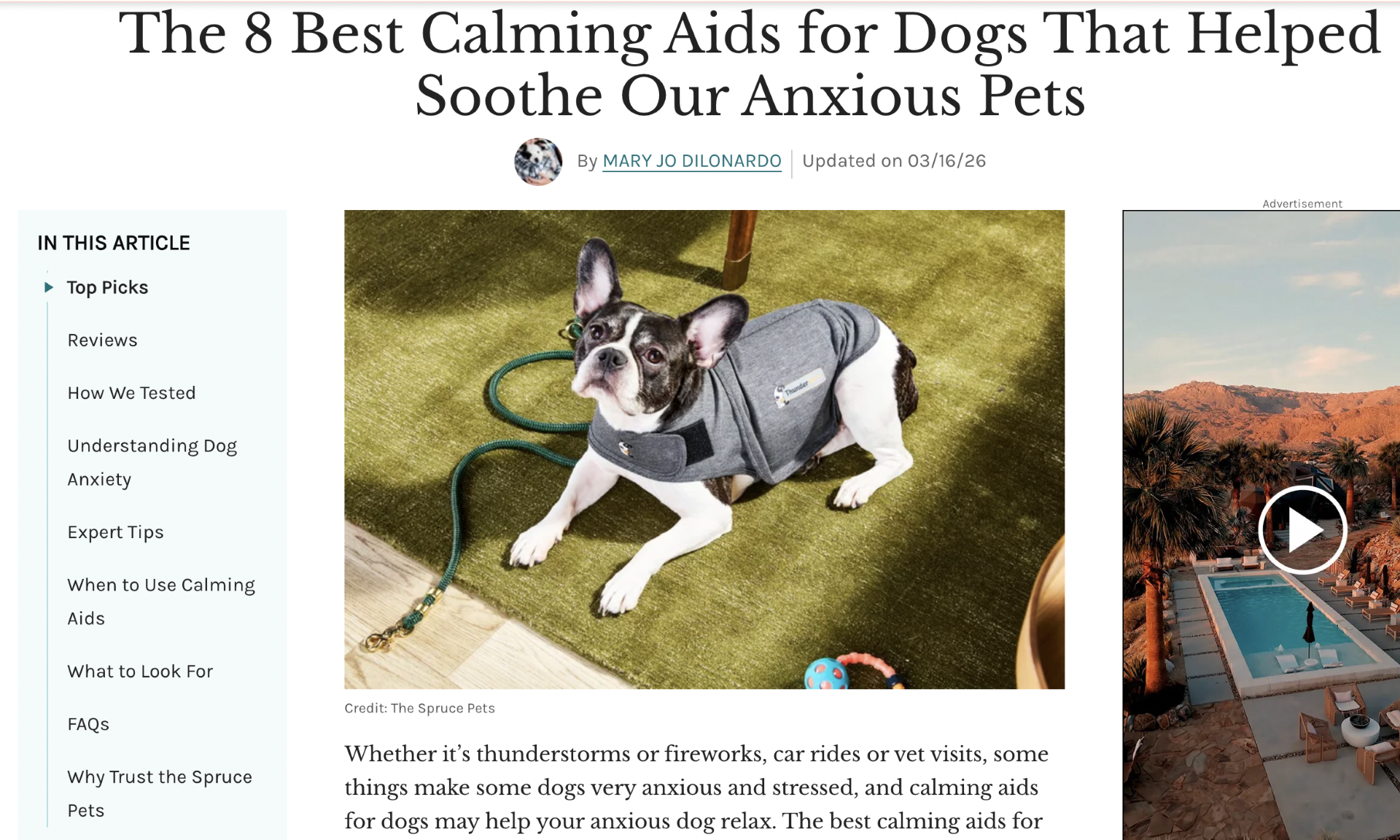
- Listicles: Best Of or Top Product list articles that rank and highlight a specific category of products or services and include expert commentary. Rinck’s media pitching on behalf of a pet supplement brand got their calming chews for dogs chosen as the Best Overall product in a Spruce Pets listicle about the best calming aids for dogs. That article was published in 2023, and it is still a top-cited link in AI answers about the top calming aids for dogs.
- Q&As: Bots like Q&A articles because they directly answer questions and often have expert sources.
- Explainers: In-depth, data-driven articles that explain a complex topic and are naturally structured to answer “what is” questions.
Using owned media – a company website, blog, LinkedIn page, or Substack newsletter – to create the same kind of content can be effective for GEO if the content is shared by others or referenced by news media. Almost 14% of all links cited by AI are from owned media, according to Muck Rack.
3. PR unleashes the power of subject matter experts
Everyone is an expert at something, and your company has a subject matter expert (SME) or experts whose knowledge can help generate earned media coverage and that GEO-loving “a” word: authority. News writers and editors, TV and radio producers, and trade media outlets need subject matter experts every day to complete their stories, fill out shows with interviews, and react to trending news.
AI platforms value the frequency of an expert being quoted, referenced or interviewed, and the quality of the media outlets they are covered by. The goal is for an expert to become a repeatable citation anchor for AI answers.
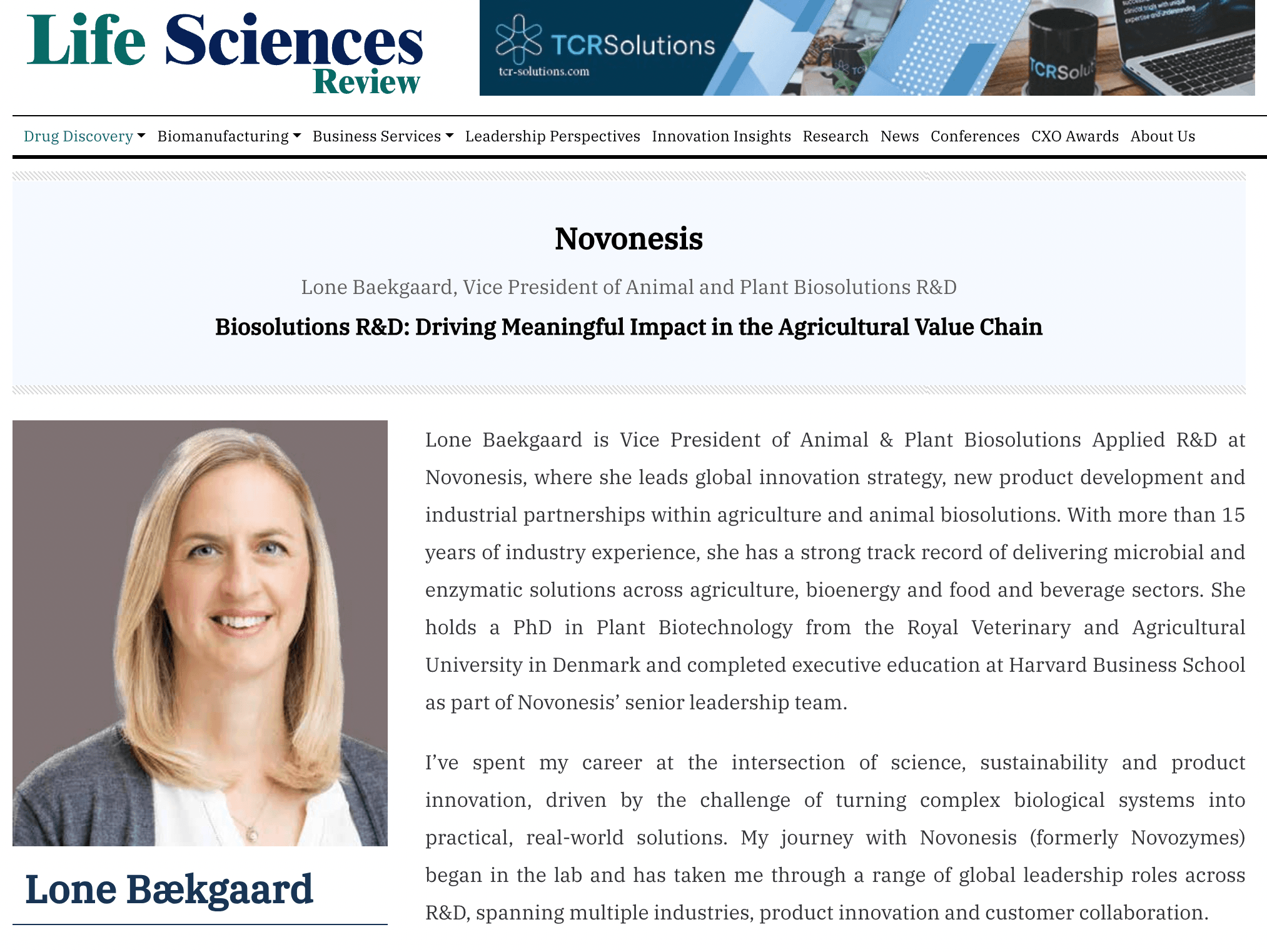
PR efforts can put experts in front of media proactively by reaching out to best-fit outlets and sharing how an expert can contribute to upcoming stories. Rinck has used this method for biosolutions leader Novonesis, sucessfully earning media coverage for several company SMEs in important biotech and manufacturing trade media.
Or, experts can be the hero of reactive media pitching from query services. Platforms like Qwoted and Source of Sources connect journalists with subject matter experts who can provide quotes, commentary, interviews, or fact verification for stories.
“PR doesn’t just support GEO — it determines whether AI systems trust you enough to include you in answers at all. Muck Rack research found that more than 80% of AI citations originate from earned media sources.”
— Laura Rinck, CEO & Founder, Rinck Advertising
How Rinck Helps a Business Become GEO-Friendly
- We’ll help you identify the type of news or industry coverage that is best for your business or product, the specific media outlets or reporters who should know about you and that AI platforms rely on for sources.
- We can establish ongoing media relations efforts with proactive and reactive media pitching to consistently get your business in front of media and educate them about your product or service.
- We’ll identify your subject matter experts and develop multiple ways to make them top-of-mind with your best-fit media and share their knowledge and expertise through owned media channels.
AI systems are reshaping how businesses earn visibility online, but the fundamentals of credibility haven’t changed. Trusted media coverage, expert commentary, and authoritative content remain some of the strongest signals AI platforms use when generating answers. Businesses that invest in earned media, subject matter experts, and consistent educational content are more likely to become part of the information ecosystem AI systems rely on. Whether you build that visibility internally or work with GEO-fluent partners like Rinck Advertising, investing in earned media and expert-driven content is becoming more important than ever. In Part 3 of this series, we’ll explore how businesses can maximize owned media channels for GEO.
Frequently Asked Questions
What is generative engine optimization (GEO)?
GEO is the practice of ensuring a brand’s content, expertise, and narratives appear accurately in AI-generated answers.
What is earned media in GEO?
Earned media refers to third-party editorial coverage – including journalism, trade publications, expert interviews, and reviews – that AI systems frequently cite when generating answers.
Why does AI trust earned media?
AI systems prioritize third-party validation because editorial sources are perceived as more authoritative and less promotional than self-published marketing content.
What is an AI citation?
An AI citation is a source link or reference used by an AI system to support a generated answer.
Why does earned media matter for AI visibility?
AI systems frequently cite high-authority third-party sources, making earned media a key driver of visibility.
Can blog content influence AI answers?
Yes. Structured, well-written blog content is often used by AI systems as a source when answering user questions.
How often should content be updated for GEO?
Content should be reviewed and updated at least quarterly to maintain accuracy and relevance.
Why does recency matter in GEO?
AI systems frequently prioritize fresh information, especially for rapidly changing industries, products, trends, and news topics. Recent articles, updated statistics, and new expert commentary are more likely to appear in AI-generated answers.
What role do journalists play in GEO?
Journalists and editorial publications help shape the information ecosystem AI systems learn from and cite. Coverage from trusted reporters and authoritative publications can significantly increase a brand’s visibility in AI-generated answers.
What types of media sources are most valuable for GEO?
The most valuable GEO sources often include:
- National and regional journalism outlets
- Industry trade publications
- Niche expert blogs
- Research organizations
- Government and academic sources
- High-authority review and ranking sites
Different AI models may prioritize different source types depending on the topic.
Why is consistency important in GEO?
AI systems synthesize information from multiple sources. Consistent messaging across websites, media coverage, social profiles, press materials, and expert commentary helps AI systems better understand and accurately represent a brand.

Kevin GoveSenior Public Relations Manager